
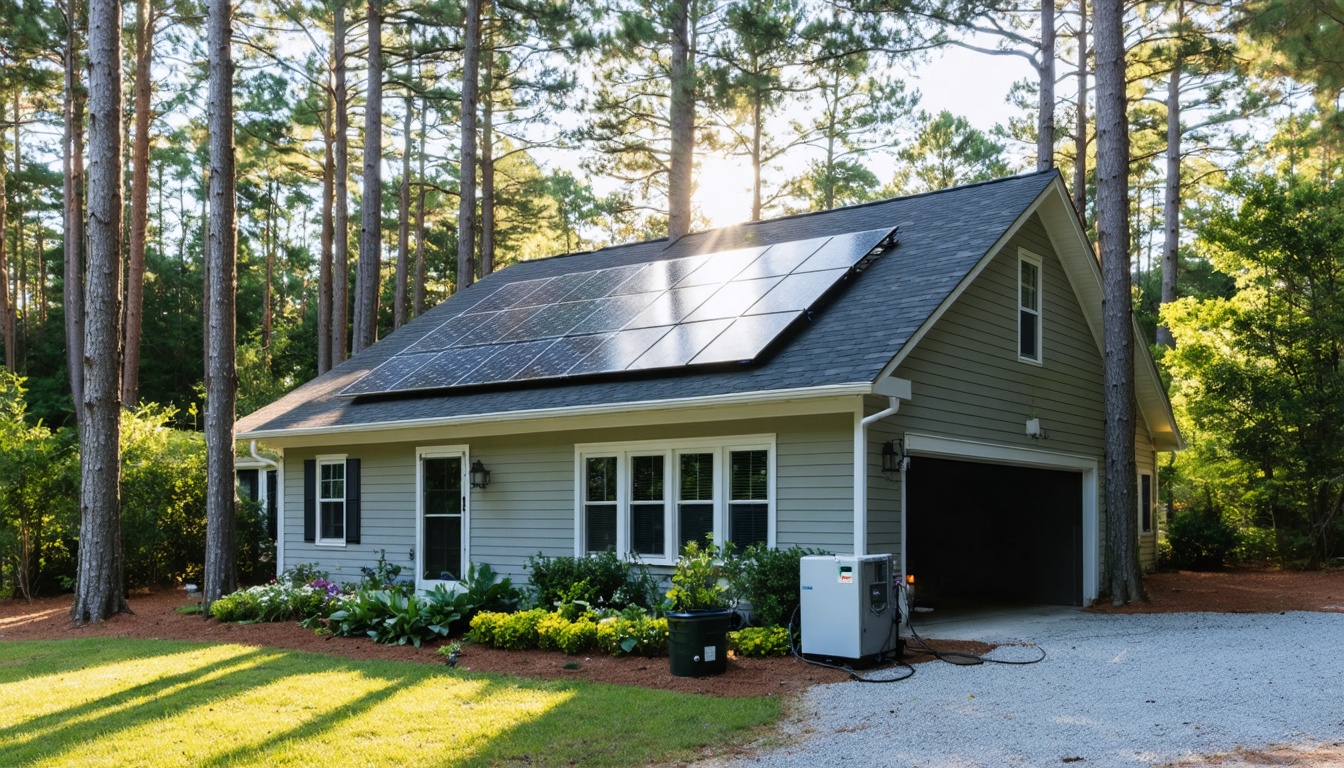
What a More Resilient Home Energy Plan Looks Like in Georgia
If you are considering a resilient energy plan for your home in Georgia, it is essential to understand that this approach encompasses more than just reducing energy costs. Key components include the integration of solar panels, the use of energy-efficient appliances, and the utilization of state incentives to maintain power reliability during outages. When evaluating the costs associated with implementing these energy solutions, it is important to consider both upfront investments and long-term savings. For instance, while solar panel installation can require significant initial expenditure, various state and federal incentives can help offset these costs. Additionally, energy-efficient appliances may have a higher purchase price but can contribute to reduced energy consumption and lower utility bills over time. Recent advancements in technology, such as smart home systems, further enhance energy efficiency and can aid in managing energy consumption intelligently. However, these technologies must be assessed for their compatibility with existing home infrastructure and overall effectiveness in energy management. Lastly, it is crucial to address the beneficiaries of these changes. While homeowners may immediately realize savings, there are broader implications for the energy grid reliability and sustainability in the region. Enhancing energy resilience can contribute to reduced strain on the grid and promote environmental benefits. Understanding the multifaceted aspects of a resilient energy plan can help you make informed decisions about future home improvements in Georgia.
Key Benefits of Home Energy Retrofitting
Home energy retrofitting in Georgia emphasizes energy efficiency, providing measurable advantages for households. Local Weatherization programs are available to assist homeowners in improving the efficiency of their heating, cooling, water, and gas systems.
These initiatives are supported by state funding and financing options, aimed at upgrading older buildings to enhance comfort and health.
Homeowners who engage with these energy programs may experience reduced utility costs, a decrease in greenhouse gas emissions, and alignment with the state’s energy efficiency goals.
Access to factual information and resources from these programs allows residents to effectively leverage the available benefits.
For those interested in home energy retrofitting, contacting local programs is recommended to obtain comprehensive information regarding eligibility and the procedural steps needed to initiate the retrofitting process.
Technologies Advancing Energy Efficiency
Smart technologies and advanced building materials are having a significant impact on home energy solutions in Georgia. Programs like the Weatherization Assistance Program aim to help residents improve the energy efficiency of their homes, including opportunities for Residential Solar Installation in Georgia.
These programs facilitate the adoption of technologies such as LED lighting, smart thermostats, and high-efficiency heat pumps, which have been shown to reduce energy consumption.
Energy conservation initiatives in the state advocate for practices such as enhanced insulation, air sealing, and the modernization of HVAC and air conditioning systems.
These measures contribute to increased energy efficiency by minimizing heat loss and optimizing climate control.
The introduction of alternative roofing options, including cool roofs, is another strategy that can improve a home's energy performance by reducing heat absorption.
Financing options are available for eligible homeowners looking to decrease their gas and water usage, offering financial support for necessary upgrades.
Additionally, local health departments provide resources and information on these energy efficiency initiatives.
For the most up-to-date information, residents are encouraged to contact program officials directly.
Assessing the Impact on Carbon Emissions
Retrofitting presents a viable strategy for decreasing carbon emissions within Georgia's residential sector. By improving the energy efficiency of homes through programs such as the Weatherization Assistance Program, Georgia aims to reduce greenhouse gas emissions more effectively.
According to available data, retrofitting 20% of the homes in Georgia could lead to a potential reduction of approximately 1.64 million tons of CO2, which may positively impact air quality and public health.
Implementing market-ready upgrades, such as high-efficiency air conditioning systems, LED lighting, and water-efficient technologies, can lower overall energy consumption. Homeowners and property managers of eligible buildings can find detailed information and financing options intended to facilitate energy efficiency improvements.
For those seeking assistance with available programs, there are resources that provide guidance.
These measures align with Georgia's carbon reduction targets, offering a systematic approach to mitigating emissions in the residential sector.
Financial Considerations and Cost Barriers
In Georgia, homeowners face considerable challenges due to the substantial initial costs associated with implementing energy-efficient upgrades. Programs such as the Weatherization Assistance Program and Georgia’s Home Energy Rebates exist to address these challenges; however, the high upfront expenses can deter residents from making retrofitting improvements aimed at reducing energy consumption in areas like air conditioning, water, and gas usage.
These programs are designed to support eligible households by offering financial assistance and direct aid. They seek to promote equity and improve health outcomes, particularly for vulnerable populations that may be disproportionately affected by high energy costs and inefficient home systems.
For individuals seeking to explore available financial assistance options, it is recommended to contact the local Buildings department. By accessing these resources, homeowners have the opportunity to enhance the energy efficiency of their residences, potentially leading to reduced energy costs for residents across the state.
The Role of Community Engagement
Community engagement is essential for improving the effectiveness and accessibility of home energy initiatives in Georgia. Engaging residents in local discussions, community programs, and information dissemination regarding the Weatherization Assistance Program can enhance understanding of available energy efficiency upgrades for homes.
This cooperative approach aids in accessing important resources, such as state energy financing, water and gas efficiency programs, and air conditioning improvements.
Collaborating with local organizations and sharing documented success stories can encourage eligible residents to seek assistance from appropriate agencies. Such engagement has the potential to improve health outcomes by enhancing living conditions and ensures that home energy initiatives cater to the specific needs of the community.
The combined efforts of individuals and organizations can lead to more sustainable and effective energy solutions.
Equity and Access in Energy Upgrades
Ensuring that the benefits of home energy upgrades in Georgia are distributed equitably requires careful attention to access across various income levels. Low-income households often encounter difficulties in managing utility expenses, as these costs can take up a substantial portion of their income. This underscores the importance of making equity and accessibility central to any energy retrofitting initiative.
Programs like the Weatherization Assistance Program play a crucial role by providing eligible residents with access to energy-efficient solutions, including upgraded air conditioning systems, more efficient gas appliances, and water conservation measures.
Additionally, various financing options available through state initiatives and federal subsidies aim to ease some of the financial challenges associated with these upgrades.
To improve access to these programs, residents are encouraged to connect with local agencies that can offer comprehensive information about available resources.
By enhancing these efforts, Georgia can advance toward making home energy upgrades a reality for a wider demographic, rather than restricting benefits to a limited group.
Pathways to Broader Adoption in Georgia
In light of recent developments in energy policy, Georgia can improve the implementation of home energy upgrades by prioritizing outreach and education initiatives across diverse communities. Access to information about state assistance programs, such as Weatherization and Home Energy Rebates, is critical for residents seeking to enhance home efficiency.
Collaboration with local organizations can provide residents with necessary insights into their eligibility for improvements in heating, ventilation, and air conditioning (HVAC) systems, water heating, and gas appliances.
Financing options play a significant role in enabling residents to undertake these upgrades promptly. Partnerships with technology companies may facilitate wider access to advanced energy efficiency solutions, making it easier for homeowners to adopt new technologies.
Furthermore, programs that link health and energy efficiency can contribute to the resilience and affordability of residential buildings, fostering sustainability across Georgia.
In conclusion, a strategic focus on education and community engagement, combined with appropriate financial and technological support, is essential for achieving broader adoption of energy-efficient practices in Georgia.
Conclusion
Investing in a resilient home energy plan can lead to reduced energy bills while also enhancing the structural integrity of your home against potential disruptions. Such an investment supports the broader initiative of achieving sustainability in Georgia. Homeowners can access various local resources, incentives, and advanced technologies to improve their property’s energy efficiency and, in turn, potentially increase its market value. Moreover, making informed energy upgrades contributes to a reduction in the overall environmental impact. A more energy-efficient home can lower greenhouse gas emissions and reduce reliance on fossil fuels. These actions align with state goals for energy security and sustainability, promoting a future where households in Georgia are better equipped to handle energy demands and disruptions. Adopting these measures can also aid in fostering a neighborhood resilience strategy, benefiting the community as a whole.